Wristlock

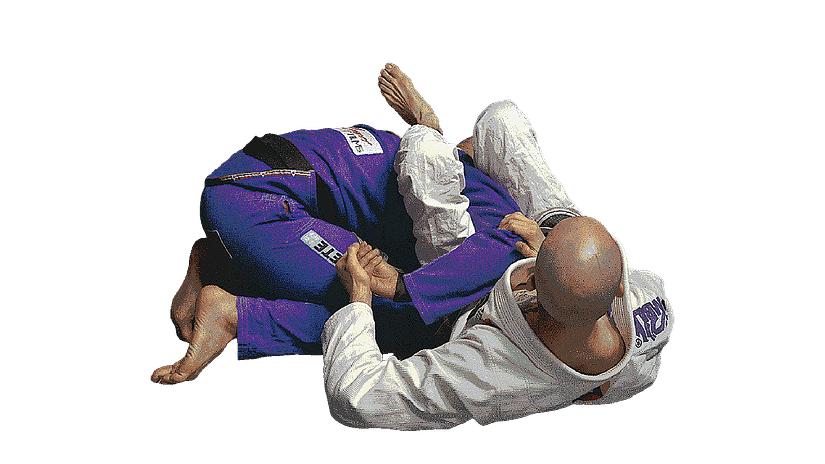
Wristlock
Submission
What is the Wristlock? (Definition & Historical Context)
Biomechanics and Principles of Wristlocks
Common Setups and Entries to the Wristlock
Common Mistakes and Pitfalls in Wristlock Application
Defense and Escape Strategies Against Wristlocks
Strategic Use Cases and Timing for Wristlocks
Legality and Competition Considerations for Wristlocks
Quick Reference
Key principles
- · Isolate and control the opponent's hand against a fixed surface—your chest, their own body, or the mat—so they cannot retract it.
- · Use both of your hands to create a lever on their wrist, bending it past its natural range while your closed guard prevents posture and escape.
- · Apply force perpendicular to the back of their hand toward their inner forearm for maximum leverage on the joint.
- · Keep your guard tightly closed and hips engaged to break their posture, removing their ability to pull the arm free.
- · Anticipate the opponent yanking their hand back by securing their forearm with an overhook or sleeve grip before attacking the wrist.
Execution
- 1 From closed guard, identify when your opponent plants a hand on your chest, lapel, or mat with a stiff arm.
- 2 Secure their forearm or sleeve with one hand to prevent withdrawal, while clamping their posted hand in place against your body.
- 3 Place your other hand on the back of their trapped hand, wrapping your fingers over their knuckles.
- 4 Close your guard tightly and pull them forward to break posture, then fold their hand sharply toward the underside of their forearm using both hands as a unified lever.
- 5 Apply steady, controlled pressure until you get the tap, keeping your hips high and guard locked to deny space.
Common mistakes
- × Attempting the wristlock without first controlling the forearm, allowing the opponent to simply pull their hand free before pressure is applied.
- × Applying the bend in the wrong direction relative to the wrist joint, resulting in no pain and a wasted attack that alerts the opponent.
- × Opening the guard or letting hips drop flat, which gives the opponent space to posture up and strip the grip before the submission is finished.
Do it from
Positions and situations where the Wristlock shows up.
Show 1
Closed Guard Bottom
Chains & Sequences
Commonly taught paths through the graph that feature this technique.
Knee Cut to Wristlock
Wristlock Videos


Related Courses


Wristlock Submission Statistics
Gi vs No-Gi Distribution
Gi
52
(77.6%)
Nogi
15
(22.4%)
Most Wristlock Finishes
RNK
ATHLETE
WINS
1

Wristlock Historical Trends
Percentage of All Submissions
2017
2018
2019
2020
2021
2022
2023
2024
2025
2026
Percentage (%)
Year
Gi
Nogi
Showing the percentage of submissions won using Wristlock relative to all submission victories in Gi and No-Gi contests