Toe Hold


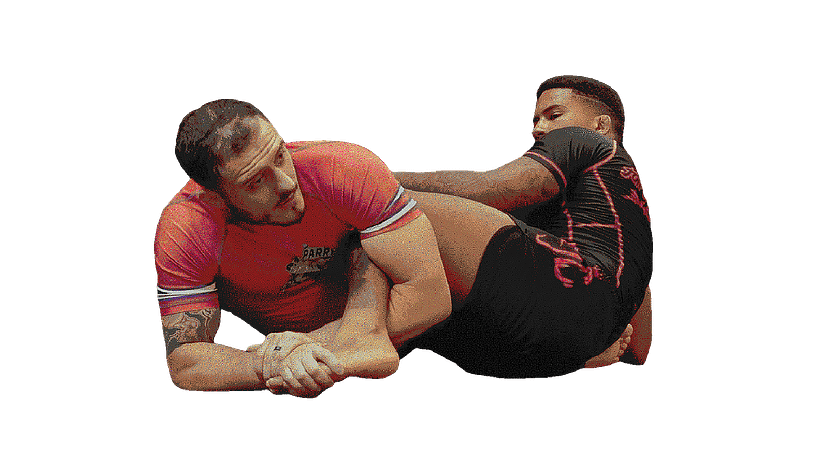
Toe Hold
Submission
Also known as:
Mata Leão No Pé
What is the Toe Hold? (Definition & Historical Context)
Biomechanics of the Toe Hold Submission
Common Setups and Entries to the Toe Hold
Critical Mistakes to Avoid When Applying the Toe Hold
Effective Defenses and Escapes from the Toe Hold
Strategic Applications of the Toe Hold in Competition
Quick Reference
Key principles
- · The figure-four grip (kimura-style) on the foot creates a powerful rotational lever that multiplies twisting force on the ankle.
- · Controlling the opponent's hip and knee line prevents them from spinning to relieve torsional pressure.
- · The twist is directed inward (toward the opponent's buttock) while curling the toes toward their shin, attacking both ankle ligaments and the knee.
- · Pinching your knees together on the opponent's leg eliminates slack and prevents foot extraction.
- · When opponents try to straighten their leg to escape, transition to a kneebar or heel hook to stay one step ahead.
Execution
- 1 Secure the opponent's foot by wrapping your outside arm over their toes and forefoot, placing your wrist blade across the ball of the foot.
- 2 Lock a figure-four grip by feeding your gripping hand to the crook of your other elbow and placing that second hand on your own wrist or forearm.
- 3 Clamp your knees tightly around the opponent's lower leg and control their hip line with your legs or body position to prevent rotation.
- 4 Finish by rotating the foot inward toward the opponent's glute while simultaneously driving your chest forward and curling their toes toward their shin.
- 5 If they resist by pulling their foot free, immediately transition to heel hook or kneebar depending on leg position.
Common mistakes
- × Gripping too high on the ankle instead of the forefoot and toes, which drastically reduces rotational leverage and makes the submission ineffective.
- × Failing to control the opponent's hip and knee, allowing them to spin their body and completely nullify the twisting pressure.
- × Cranking the foot outward instead of rotating it inward toward the glute, which misaligns the torque and risks losing the grip under resistance.
Do it from
Positions and situations where the Toe Hold shows up.
Common defenses
How opponents shut the Toe Hold down.
Variations
Show 1
In the family
Named branches of Toe Hold in the graph.
Toe Hold Videos


Related Courses

Toe Hold Submission Statistics
Gi vs No-Gi Distribution
Gi
222
(69.4%)
Nogi
98
(30.6%)
Most Toe Hold Finishes
RNK
ATHLETE
WINS
1

Toe Hold Specialists
Percentage of their total submission wins
RNK
ATHLETE
%
1
33.3%

Toe Hold Historical Trends
Percentage of All Submissions
2017
2018
2019
2020
2021
2022
2023
2024
2025
2026
Percentage (%)
Year
Gi
Nogi
Showing the percentage of submissions won using Toe Hold relative to all submission victories in Gi and No-Gi contests