Closed Guard
Closed Guard on the Digitsu Graph
Distance closed guard
Variations · 6 of 29
Moves from here
Ways in
Moves from here
Ways in
Moves from here
Ways in
Moves from here
Ways in
Moves from here
Ways in
Moves from here
Ways in
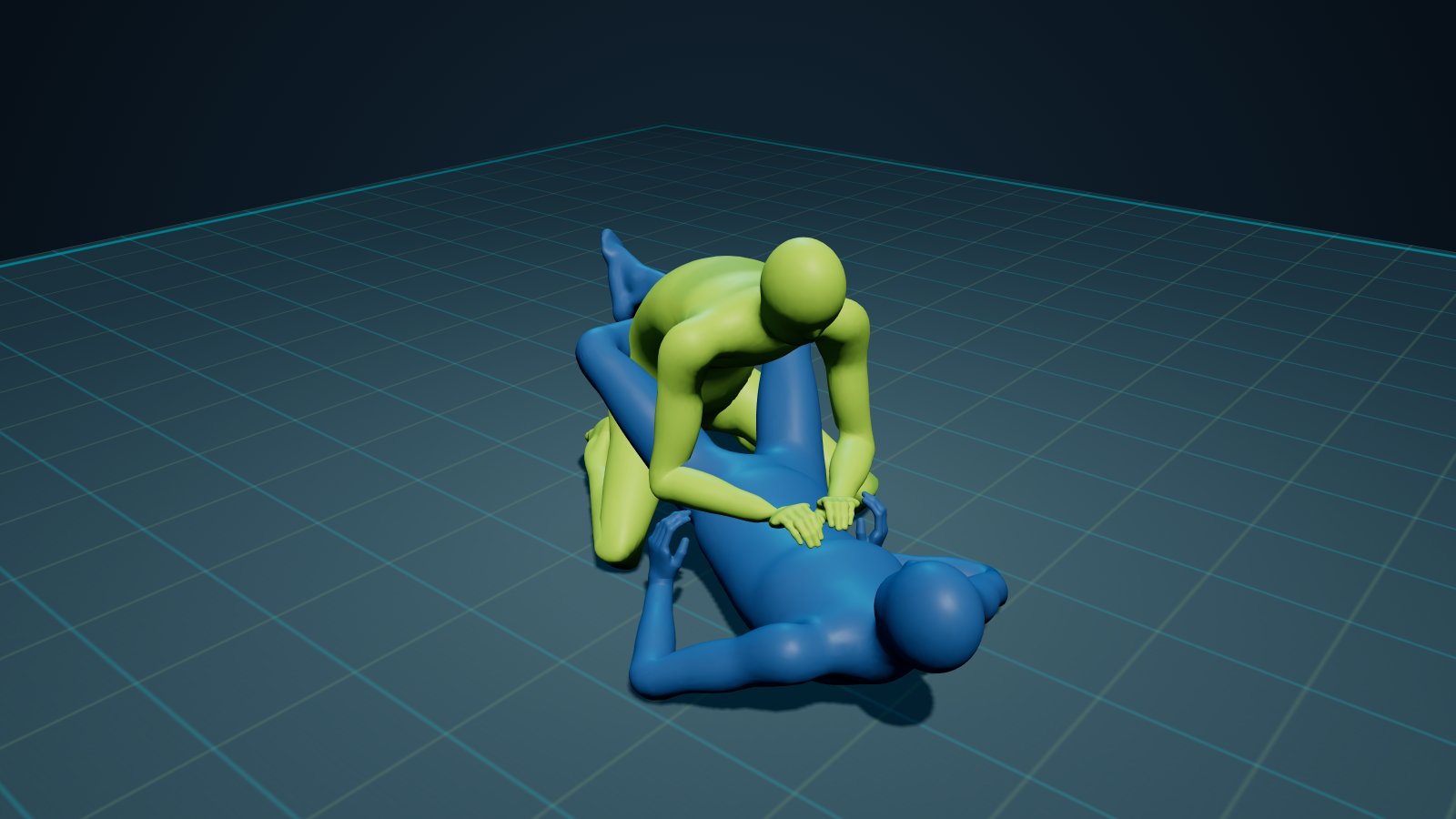
The closed guard is the position that made Brazilian Jiu-Jitsu famous: lying on your back with your legs wrapped around the opponent's torso and your ankles locked behind them. What looks like a losing position to the untrained eye is one of the most offensive platforms in grappling. The grappler on the bottom controls distance, breaks posture, and attacks arms, necks, and balance, all while the grappler on top must solve the guard before any of their own offense can begin.
What is the closed guard?
Why it matters
The battle within the position
Gi and no-gi
Where to start
Quick Reference
Key principles
- · The bottom player must break the top player's posture by pulling them down with legs, grips, and core engagement to neutralize strikes and passing attempts.
- · Hip movement and angle creation are essential — the guard player should never remain flat on their back.
- · Controlling at least one of the top player's arms or head eliminates their base and opens attacks.
- · The top player's primary goal is to maintain upright posture, control the hips, and work to open the guard to begin passing.
- · Anticipate the top player standing up by immediately adjusting grips and transitioning to open guard variants or sweeps.
Execution
- 1 From bottom, wrap both legs around the opponent's waist and lock your ankles tightly behind their lower back.
- 2 Use collar, sleeve, wrist, or overhook grips to control the top player's arms and break their posture down toward you.
- 3 Keep your hips active and close to the opponent, using your legs to squeeze and control their base.
- 4 Attack by creating angles with hip escapes, threatening submissions like armbars, triangles, and cross chokes, or executing sweeps such as the hip bump or scissor sweep.
- 5 If the top player begins to stand or posture aggressively, transition to variants like overhook guard, rubber guard, or open guard rather than clinging to a broken closed guard.
Common mistakes
- × Crossing ankles too low on the hips or thighs instead of the lower back, making it easy for the top player to open the guard and reducing control.
- × Lying flat with arms extended and no grip fighting, allowing the top player to posture up freely and begin passing sequences.
- × Holding closed guard passively without attacking, giving the top player time to establish grips, posture, and initiate guard breaks.
From the bottom
What the bottom grappler is working toward from Closed Guard.
21 less common
On top
The top grappler's options against Closed Guard.
How you get here
Techniques that land in Closed Guard.
1 less common
Chains & Sequences
Commonly taught paths through the graph that feature this technique.
Kimura to Triangle from Closed Guard