Berimbolo Entry

Berimbolo Entry on the Digitsu Graph
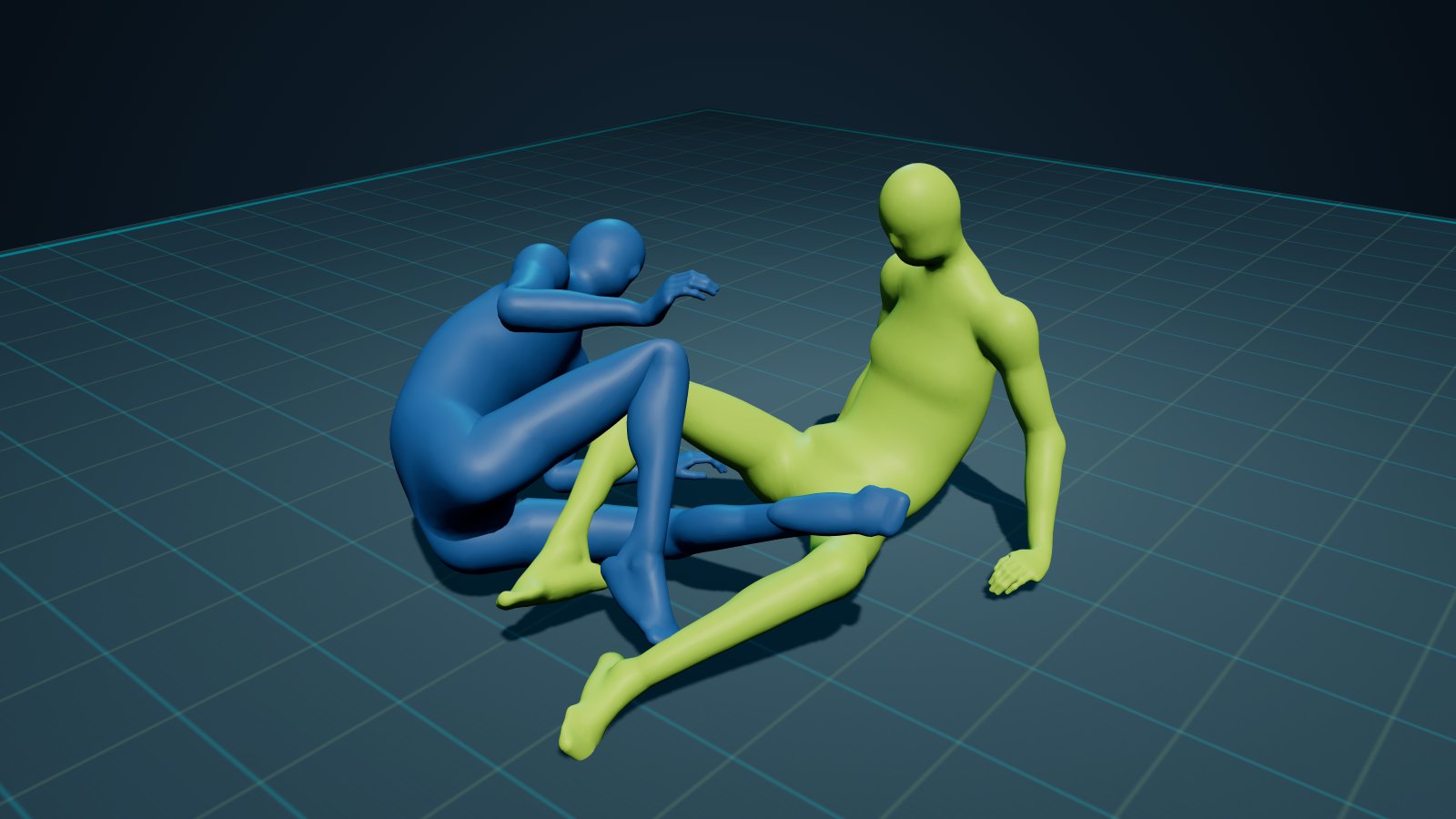
Transition
Also known as:
Berimbolo
Babybolo
The berimbolo is an inverting transition used to rotate underneath and behind an opponent, typically from De La Riva or similar open guards. It converts guard retention into back-taking or dominant top positions by off-balancing the opponent and spinning beneath them.
Quick Reference
Key principles
- · The DLR hook and collar/belt grip must off-balance the opponent forward before inverting, otherwise the spin lacks leverage.
- · Hip elevation and shoulder-walking create the rotational momentum—arms alone cannot drive the inversion.
- · Maintaining the hook behind the opponent's knee throughout the spin prevents them from stepping free and re-establishing base.
- · Anticipate the opponent posting or turning away by immediately transitioning to crab ride or leg drag rather than forcing the back take.
- · Keep your hips glued tight to the opponent's hip line; any space allows them to smash or re-guard.
Execution
- 1 From DLR guard, grip the belt or far collar and use your DLR hook to elevate and tilt the opponent's weight forward over you.
- 2 Invert onto your shoulders while curling your hips upward, threading your hooking leg deeper behind their far knee as you rotate underneath them.
- 3 Use your free leg and shoulder-walking to continue spinning, staying tight to their hips and tracking their rotation.
- 4 As you emerge behind them, secure a seatbelt or pants grip and establish crab ride or climb to back control.
- 5 If they base out or face you, redirect immediately to leg drag or top position rather than chasing the back.
Common mistakes
- × Inverting without first off-balancing the opponent, resulting in them smashing through with pressure and flattening you.
- × Losing the DLR hook during the spin, which allows the opponent to simply step over and pass your guard.
- × Creating too much distance between your hips and theirs during the inversion, giving them space to turn and re-establish a neutral position.
Do it from
Positions and situations where the Berimbolo Entry shows up.
2 less common
Closed Guard Bottom
Lapel Guard Bottom
Chains into
Where to go next when the Berimbolo Entry lands, or gets defended.
Where it lands
The position you end up in.
Chains & Sequences
Commonly taught paths through the graph that feature this technique.
Backstep Berimbolo Back Take
DLR Berimbolo Back Take