Clamp Guard
Clamp Guard on the Digitsu Graph
Position
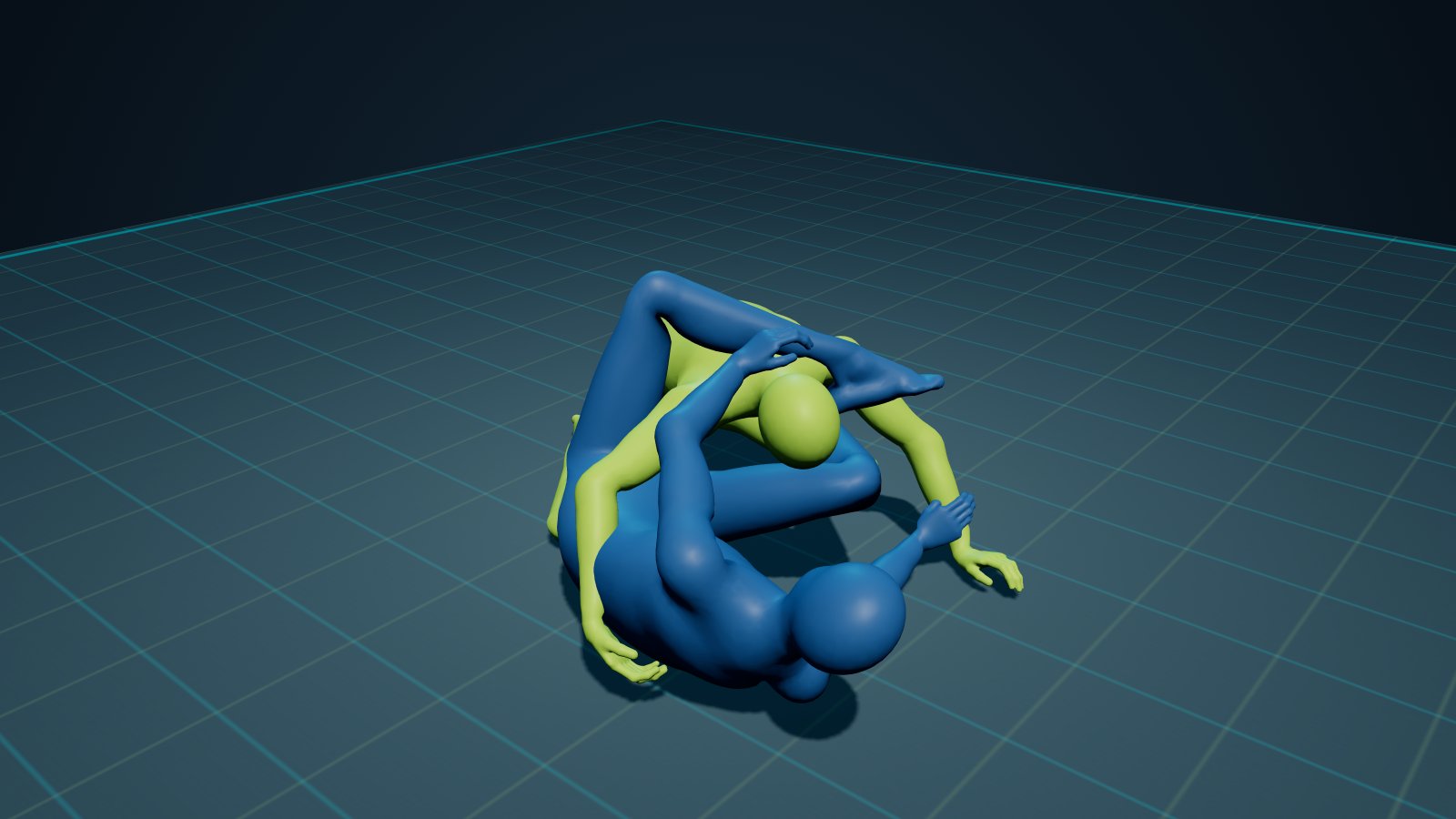
The clamp guard is a closed guard variation with a bias: instead of locking symmetrically around the waist, one leg rides high across the opponent's back while the other clamps down around their leg or hip, squeezing them into a twisted, tilted posture they cannot straighten out of. The asymmetry is the point. Where closed guard holds the opponent square, the clamp holds them broken toward one side, with their base and posture compromised in the same direction.
What is the clamp guard?
Why the tilt matters
Why it matters
Gi and no-gi
Where to start
Quick Reference
Key principles
- · The clamping leg wraps tightly around the opponent's same-side thigh, pinching at the knee to immobilize their base.
- · The top leg crosses over the opponent's back to maintain upper body control and break posture, similar to closed guard.
- · Hip angle is critical — the bottom player shifts their hips to the side of the clamped leg to maximize leverage and control.
- · Grip fighting focuses on controlling the sleeve or wrist on the clamped-leg side to prevent the opponent from posting or framing.
- · Anticipate the top player trying to backstep or knee-slice by tightening the clamp and adjusting hip angle before they initiate.
Execution
- 1 From closed guard, uncross your ankles and angle your hips toward one side, threading your bottom leg around the opponent's same-side thigh.
- 2 Squeeze your bottom leg tightly around their thigh, pinching your knees together to lock the clamp and restrict their lateral movement.
- 3 Keep your top leg draped across their back with your heel hooking their far hip to maintain posture control.
- 4 Establish dominant grips — cross-collar or collar-and-sleeve — while keeping your hips heavy and angled off-center.
- 5 Use the asymmetric control to threaten sweeps toward the clamped side or transition to back attacks when they attempt to posture.
Common mistakes
- × Clamping too loosely around the opponent's thigh allows them to easily free their leg, backstep, and pass to side control.
- × Keeping hips squared rather than angled reduces leverage and makes the clamp ineffective, turning it into a weak open guard.
- × Neglecting upper body grips while focusing only on the leg clamp lets the opponent posture up and neutralize the position.
From the bottom
What the bottom grappler is working toward from Clamp Guard.
On top
The top grappler's options against Clamp Guard.