De La Riva Guard


De La Riva Guard on the Digitsu Graph
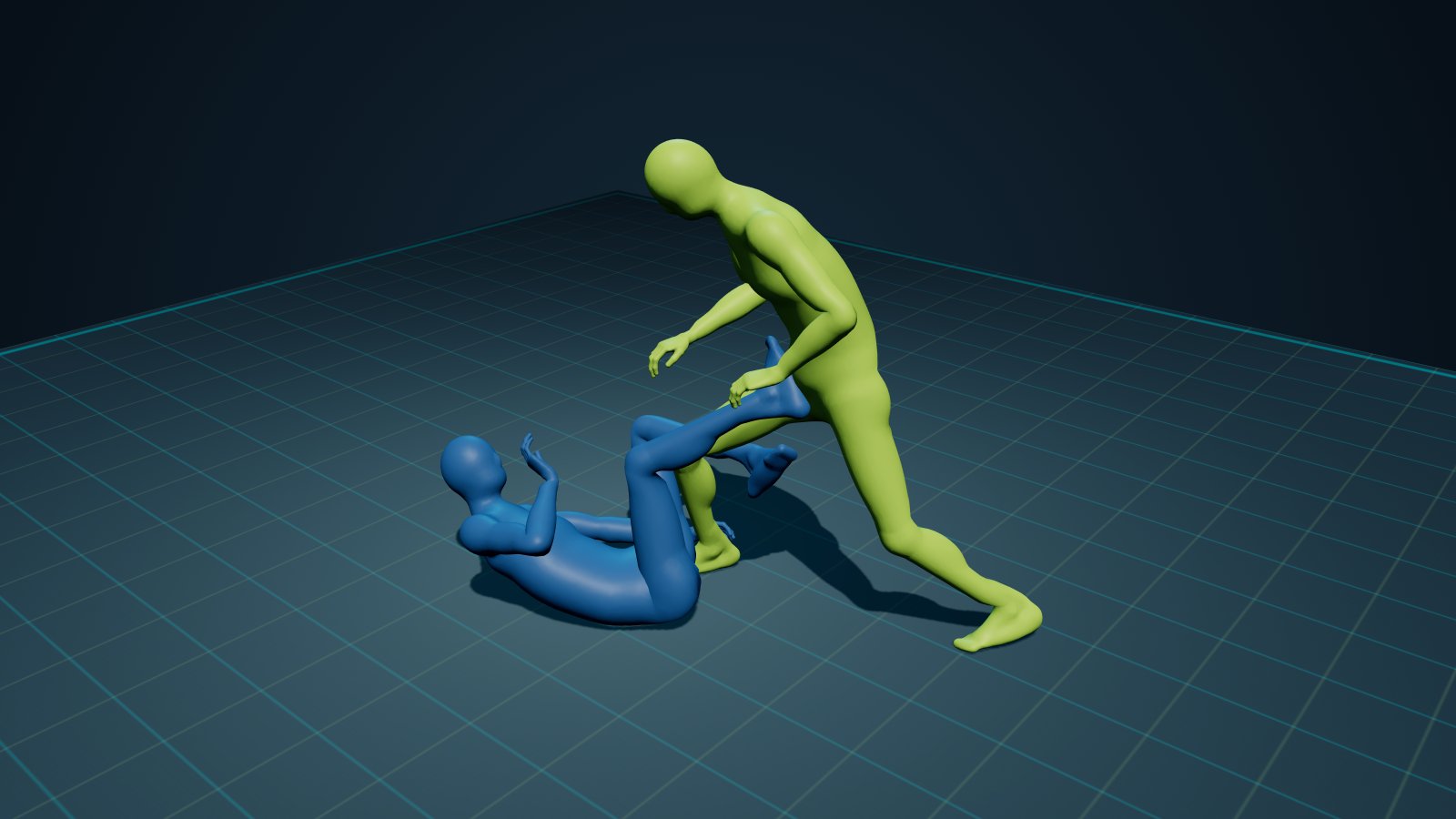
Standing vs de la riva
Variations
Moves from here
Ways in
Moves from here
Ways in
Moves from here
Ways in
De La Riva guard is the open guard built on one signature hook: your outside leg wraps around the opponent's lead leg, foot hooking behind their thigh or hip. Named for Ricardo De La Riva, who developed it in Rio's Carlson Gracie academy in the 1980s, it became the defining guard of modern gi competition and the launchpad for the berimbolo era.
What is De La Riva guard?
The modern engine: back takes
Why it matters
Gi and no-gi
Where to start
Quick Reference
Key principles
- · The DLR hook must wrap deeply around the opponent's lead leg with your instep controlling the inner thigh to maximize leverage.
- · Controlling at least one grip on the opponent's sleeve or ankle on the hooked side prevents them from disengaging or passing.
- · Constant hip angle and distance management keeps the opponent's weight directed over their hooked leg, making them vulnerable to sweeps.
- · The non-hooking foot stays active on the opponent's hip, bicep, or opposite knee to frame and create additional off-balancing pressure.
- · Anticipate the opponent stepping back or trying to strip the hook by maintaining tension through your legs and immediately re-engaging grips.
Execution
- 1 From open guard, establish a collar or sleeve grip and place your outside foot on the opponent's lead hip as they stand or posture.
- 2 Thread your hooking leg around the outside of the opponent's lead leg, curling your foot to the inside of their far thigh with your instep.
- 3 Secure a same-side ankle or pants grip on the hooked leg to anchor their base and prevent retreat.
- 4 Use your non-hooking foot on their hip or far knee to control distance and angle your hips off-center.
- 5 Maintain constant pulling tension with the hook and grips to keep their weight loaded over the trapped leg, setting up sweeps or transitions.
Common mistakes
- × Hooking too shallow with only the toes instead of threading the leg deep results in the opponent easily stripping the hook and passing.
- × Lying flat on your back instead of angling your hips laterally removes your sweeping leverage and makes you vulnerable to guard passes.
- × Neglecting the ankle or pants grip on the hooked leg allows the opponent to simply step back and disengage the guard entirely.
From the bottom
What the bottom grappler is working toward from De La Riva Guard.
15 less common
On top
The top grappler's options against De La Riva Guard.
How you get here
Techniques that land in De La Riva Guard.
Chains & Sequences
Commonly taught paths through the graph that feature this technique.
DLR Berimbolo Back Take
DLR Pass to Americana
DLR Pass to North South Choke
DLR Crab Ride to Back
DLR X-Guard Leg Drag
Shin-to-Shin Back Take