Open Guard


Open Guard on the Digitsu Graph
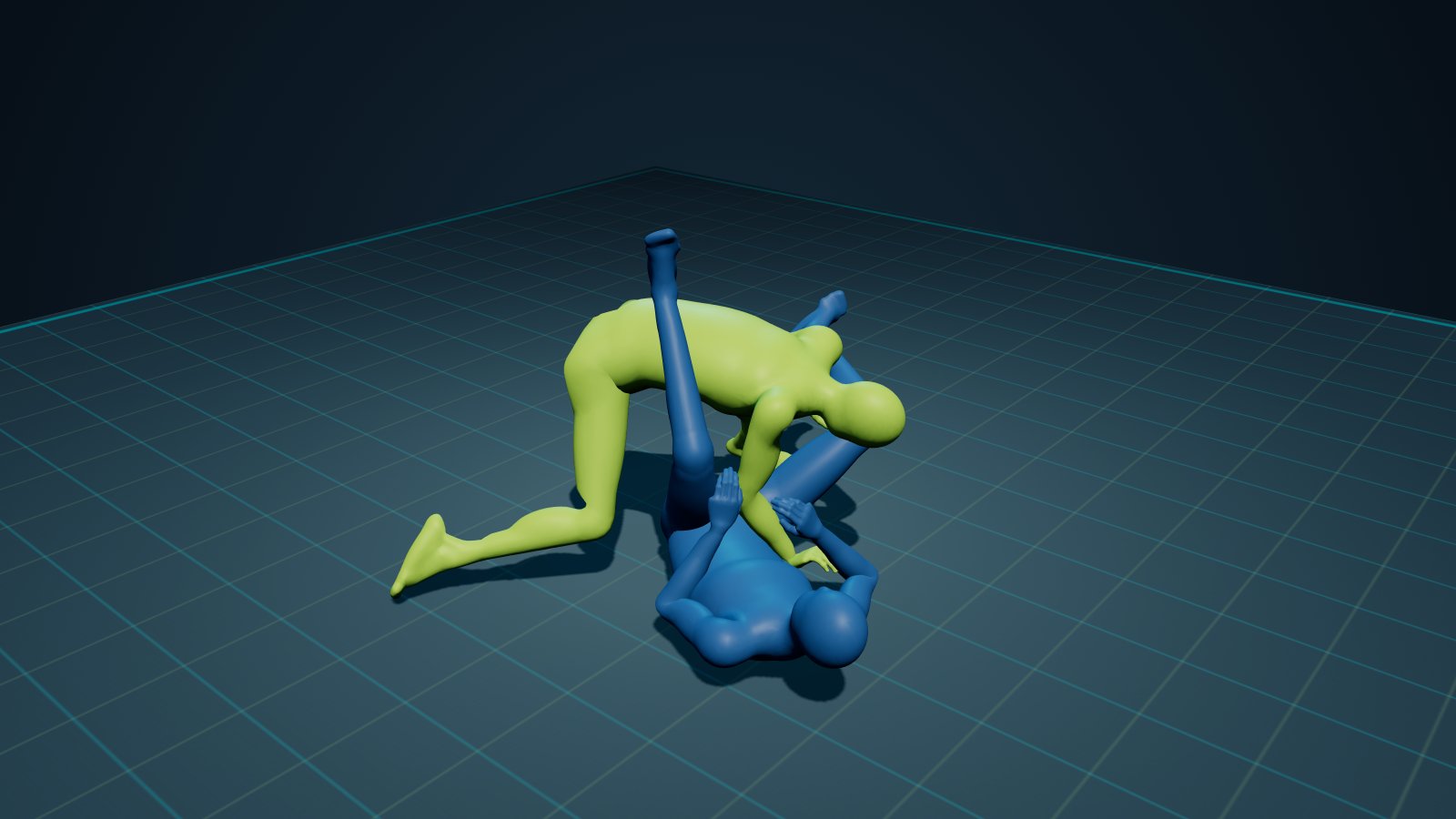
Standing vs wide open guard
Variations
Moves from here
Ways in
Moves from here
Ways in
Moves from here
Ways in
Position
Open guard is every guard where your ankles are not locked around the opponent. That single definition covers an enormous territory: seated guards, supine guards, hooks, grips, and frames arranged in dozens of named systems. If closed guard is a clamp, open guard is a control panel, with your feet, knees, and grips each managing a piece of the opponent's posture and base.
What is open guard?
Distance is the game
Why it matters
Gi and no-gi
Where to start
Quick Reference
Key principles
- · Maintain at least four points of connection (two hands, two feet) on the opponent to control distance and posture.
- · Hips must stay mobile and angled rather than flat on the mat to enable quick transitions and guard retention.
- · Grip fighting is essential — establish sleeve, collar, or pant grips before the top player can settle their passing grips.
- · Use frames and foot placement on hips, biceps, or knees to prevent the top player from closing distance and smashing.
- · Anticipate the top player's pass direction by reading hip movement and preemptively re-inserting hooks or shifting your hip angle.
Execution
- 1 From any position change to bottom, immediately get your hips off-center and establish at least one grip on the opponent's sleeve or collar.
- 2 Place your feet on the opponent's hips, biceps, or inside their thighs to create a structure that manages distance.
- 3 Secure a second grip to achieve four points of contact, giving you the ability to push, pull, and redirect the passer.
- 4 Constantly adjust hip angle and foot placement in response to the top player's movement, cycling between guard variations as needed.
- 5 Attack sweeps, submissions, or transitions to more specialized guards whenever the opponent's weight or grips become compromised.
Common mistakes
- × Lying flat on the back with hips square to the ceiling, which eliminates mobility and makes guard passes far easier to complete.
- × Relying on only one or two points of contact instead of four, allowing the top player to easily strip grips and pass.
- × Being reactive instead of proactive with grips — waiting for the top player to establish their grips first puts you in a defensive cycle that is hard to escape.
From the bottom
What the bottom grappler is working toward from Open Guard.
Guard Retention
escape
Open Guard To Butterfly Guard
transition
Open Guard To De La Riva
transition
Open Guard To Spider Guard
transition
Single Leg X Entry
transition
14 less common
Armbar From Guard
submission
Collar Drag
transition
K-Guard Entry From Open Guard
transition
Open Guard To Closed Guard
transition
Open Guard To Collar Sleeve
transition
Open Guard To Lasso Guard
transition
Open Guard To Shin-to-shin
transition
Scissor Sweep
sweep
Triangle From Guard
submission
Cross Collar Choke
submission
Guillotine Choke
submission
Kimura
submission
Omoplata Control
Reverse Triangle
submission
On top
The top grappler's options against Open Guard.
How you get here
Techniques that land in Open Guard.
Arm Extraction
escape
Ashi Garami Escape
escape
Frame And Shrimp
escape
Granby Roll
escape
Guard Recovery
escape
Guard Replacement
escape
Hip Escape
escape
North-South Escape
escape
Open Closed Guard
transition
Posture Recovery
transition
Re-guard
escape
Re-guard From Headquarters
escape
Rolling Back Take
transition
Rolling To Guard
escape
Shin Shield Recovery
escape
Shrimp Escape
escape
Stack Defense
counter
Turtle To Guard
escape
In the family
Named branches of Open Guard in the graph.