Hip Escape
Hip Escape on the Digitsu Graph
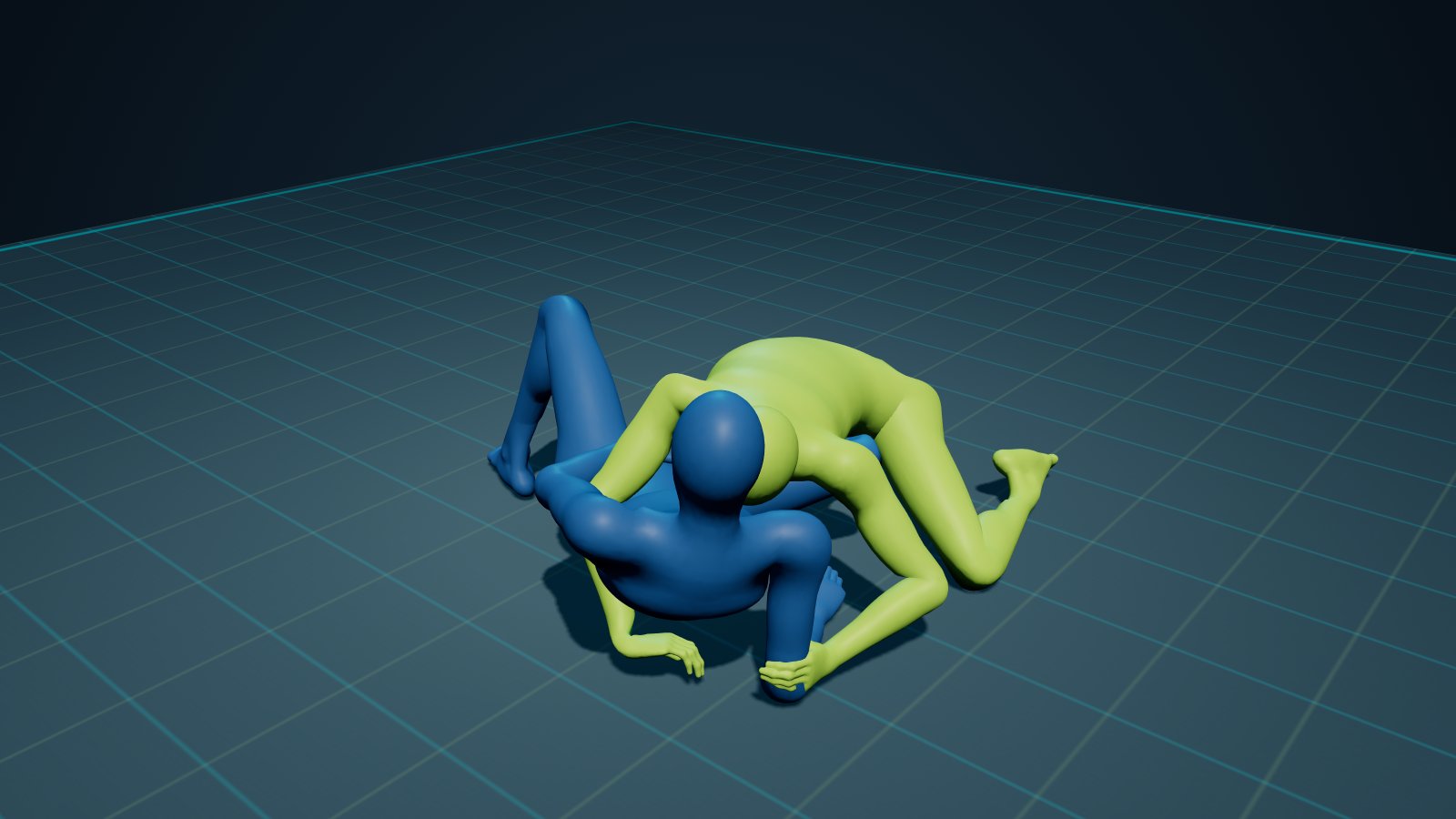
Escape
Also known as:
Shrimping
The hip escape, universally known as the shrimp, is the most repeated movement in Brazilian Jiu-Jitsu, and it earns the repetition. Bridge slightly, turn to your side, and drive your hips away from the opponent: that single pattern powers escapes from nearly every pin, rebuilds nearly every guard, and appears inside more techniques than any other motion in the sport. Every warm-up line shrimping down the mat is practicing the same thing the black belts rely on in their hardest moments.
What is the hip escape?
One movement, everywhere
Why it matters
Gi and no-gi
Where to start
Quick Reference
Key principles
- · Power comes from driving off the foot closest to the opponent, pushing hips away rather than just scooting backward.
- · Frames must be established before shrimping—elbows and knees act as wedges to prevent the opponent from reclosing the space you create.
- · A small bridge before the hip escape momentarily lifts the opponent's weight, creating the window to move your hips.
- · Multiple short shrimps chained together are more effective than one large movement.
- · Anticipate your opponent re-centering by immediately inserting a knee or shin as a barrier after each shrimp.
Execution
- 1 Establish frames against your opponent's hips, neck, or shoulder to prevent them from following your movement.
- 2 Bridge slightly toward your opponent to shift their weight and unload your hips from the mat.
- 3 Plant the foot nearest to your opponent and explosively drive your hips away, turning onto your side.
- 4 Immediately insert your inside knee or shin into the space created to act as a shield between you and your opponent.
- 5 Repeat the shrimp as needed until you recover guard, reach turtle, or create enough distance to stand.
Common mistakes
- × Shrimping without framing first, allowing the opponent to simply follow your hips and maintain the pin.
- × Staying flat on the back instead of turning onto the side, which limits hip mobility and escape distance.
- × Failing to insert a knee shield after creating space, letting the opponent immediately re-establish the pin.
Do it from
Positions and situations where the Hip Escape shows up.
Kesa Gatame Bottom
Knee on Belly Bottom
Side Control Bottom
Chains into
Where to go next when the Hip Escape lands, or gets defended.
Where it lands
The position you end up in.