Spider Guard
Spider Guard on the Digitsu Graph
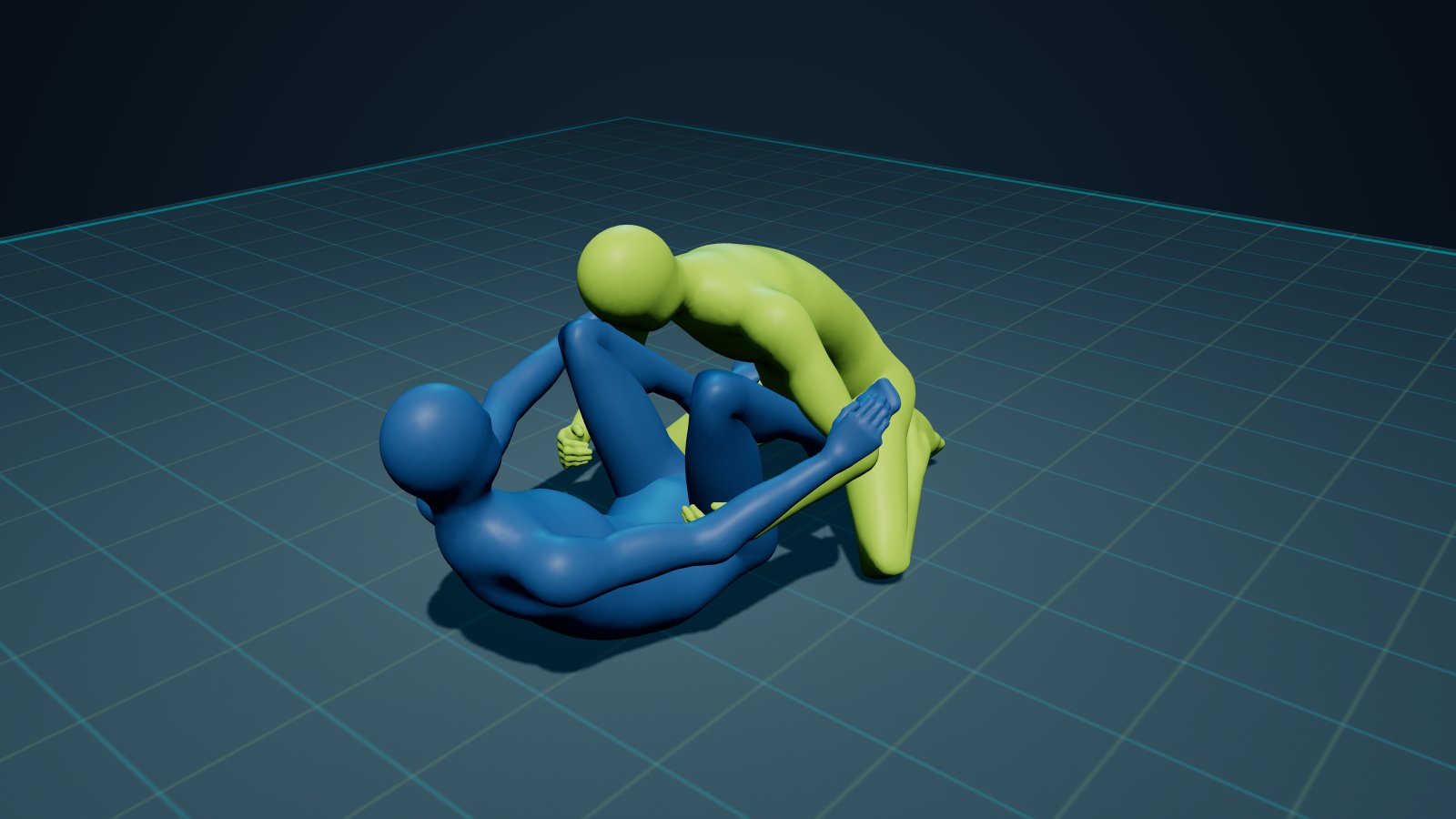
Spider guard w/ shins against biceps
Variations · 6 of 8
Moves from here
Ways in
Moves from here
Ways in
Moves from here
Ways in
Moves from here
Ways in
Moves from here
Ways in
Moves from here
Ways in
Spider guard is the gi guard of tension and angles: both sleeves gripped, one or both feet planted on the opponent's biceps, their arms turned into puppet strings. Few positions frustrate a passer more. Every step they take stretches them into your springs, and every attempt to yank an arm free feeds a sweep or a triangle.
What is spider guard?
The attacking web
Why it matters
Gi and no-gi
Where to start
Quick Reference
Key principles
- · Maintaining strong sleeve grips is the foundation — without them the guard collapses entirely.
- · Feet on the biceps must push and extend the opponent's arms to break their posture and prevent them from closing distance.
- · Hip movement and angling off-center create sweep and submission opportunities rather than staying flat on your back.
- · Constant tension through extending your legs keeps the opponent off-balance and unable to establish their passing grips.
- · Anticipate the opponent stacking or trying to strip grips by adjusting hip angle and re-gripping before full control is lost.
Execution
- 1 From open guard, secure pistol grips (four fingers inside) on both of your opponent's sleeves at the wrist.
- 2 Place one or both feet on the opponent's inner biceps, curling your toes to create hooks that anchor your feet in place.
- 3 Extend your legs to push the opponent's arms apart and away, stretching them out and breaking their posture forward.
- 4 Keep your hips active and mobile, angling toward one side to set up sweeps or triangles rather than remaining square.
- 5 Use push-pull dynamics — pulling one sleeve while extending the opposite leg — to off-balance the opponent and create openings.
Common mistakes
- × Keeping the hips flat and square to the opponent makes sweeps nearly impossible and allows the top player to stack and compress the guard.
- × Using weak or shallow sleeve grips (grabbing cloth loosely) allows the opponent to easily strip grips and begin passing.
- × Failing to keep legs extended and allowing the opponent to collapse distance neutralizes the guard and leads to smash passes.
From the bottom
What the bottom grappler is working toward from Spider Guard.
On top
The top grappler's options against Spider Guard.
How you get here
Techniques that land in Spider Guard.
Chains & Sequences
Commonly taught paths through the graph that feature this technique.
Spider DLR to Ankle Lock
Spider DLR Sickle Sweep to Ankle Lock