Seatbelt Control


Seatbelt Control on the Digitsu Graph
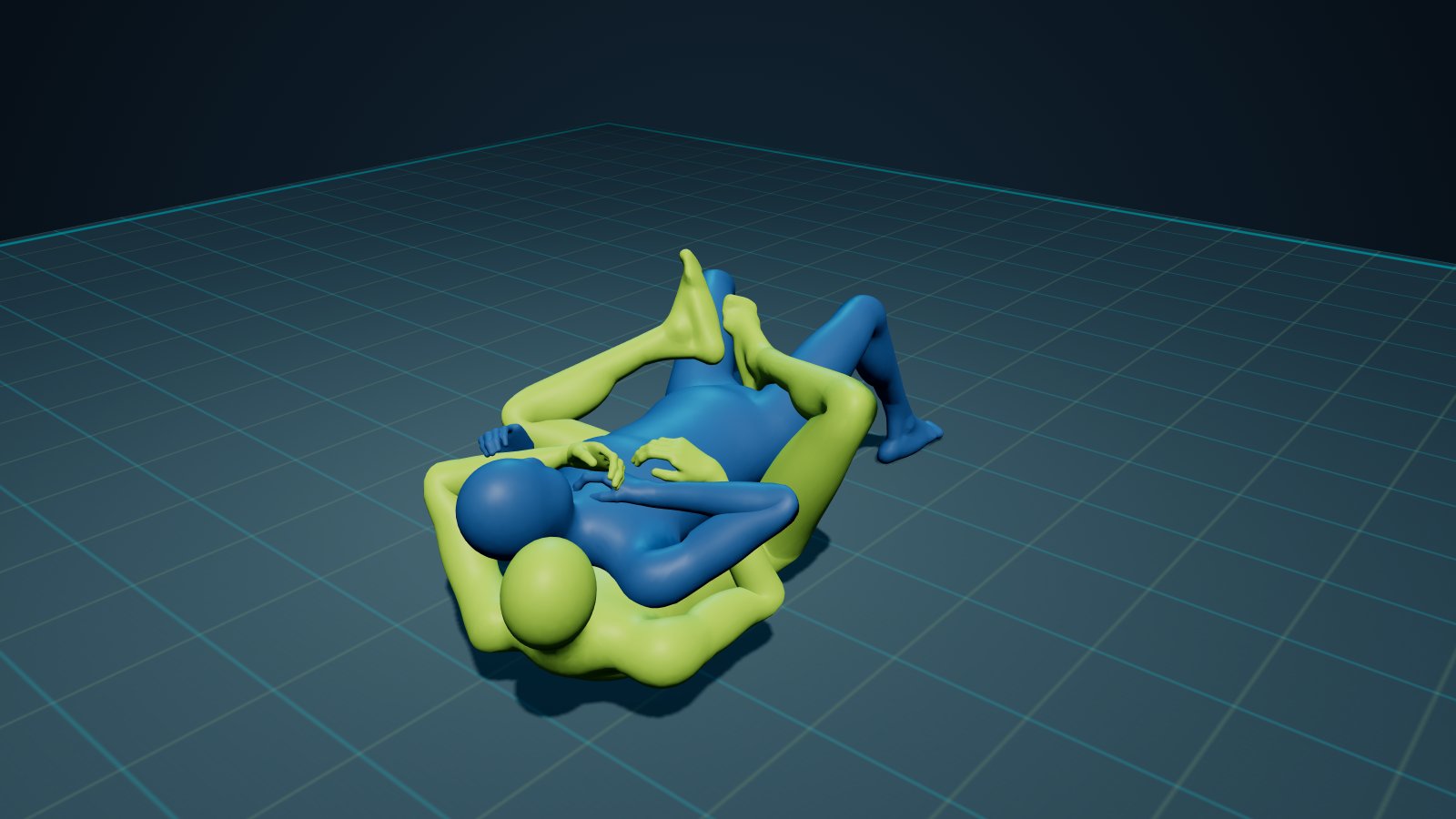
Straight back w/ seatbelt
Variations
Moves from here
Ways in
Moves from here
Ways in
Moves from here
Ways in
Position
Also known as:
Seat Belt Control
Seatbelt
Seatbelt control is the primary upper-body grip used when controlling an opponent from back control, consisting of one overhook arm and one underhook arm clasped together diagonally across the opponent's chest. It is the foundational grip that enables the back attacker to maintain attachment, control posture, and set up all major submissions and transitions from the back.
Quick Reference
Key principles
- · The overhook (choking) arm crosses over the shoulder while the underhook arm goes under the opposite armpit, hands clasped tightly at the sternum line.
- · Chest-to-back connection must be maintained by eliminating space and keeping your hips glued to theirs.
- · The overhook side dictates your attacking angle—fall to the underhook side to prevent the opponent from escaping over the top arm.
- · Constant elbow pressure inward prevents the opponent from stripping grips or creating frames.
- · Anticipate the opponent turning into you by switching your hips and re-angling to maintain back exposure.
Execution
- 1 From behind your opponent, thread one arm over their shoulder across the neck/chest line (overhook arm) and the other arm under their opposite armpit (underhook arm).
- 2 Clasp your hands together tightly—palm-to-palm, Gable grip, or hand-over-fist—centering the connection on their chest.
- 3 Pull your elbows tight to their torso, eliminating any slack, and press your chest firmly into their back.
- 4 Establish your hooks (feet inside their thighs) or body triangle to complete back control.
- 5 If the opponent tries to escape toward the overhook side, shift your weight to the underhook side to keep them loaded on top of you.
Common mistakes
- × Clasping hands too low near the belly instead of across the chest, which allows the opponent to posture up and begin escape sequences.
- × Falling to the overhook side instead of the underhook side, enabling the opponent to roll over the top arm and escape back control.
- × Leaving space between your chest and the opponent's back, which gives them room to scoot hips down and start clearing hooks.
Attacks & transitions
Offense available from Seatbelt Control.
8 less common
Armbar From Back
submission
Armbar From Crucifix
submission
Back Control To Crucifix
transition
Back Control To Mount
transition
Bow And Arrow
submission
Short Choke
submission
Triangle Choke From Back
submission
Truck Entry
transition
Escapes & defense
Getting out of Seatbelt Control, or shutting it down.
How you get here
Techniques that land in Seatbelt Control.
Hand Fighting From Back
escape
Turtle To Back Take
transition