Duck Under


Duck Under on the Digitsu Graph
Pass
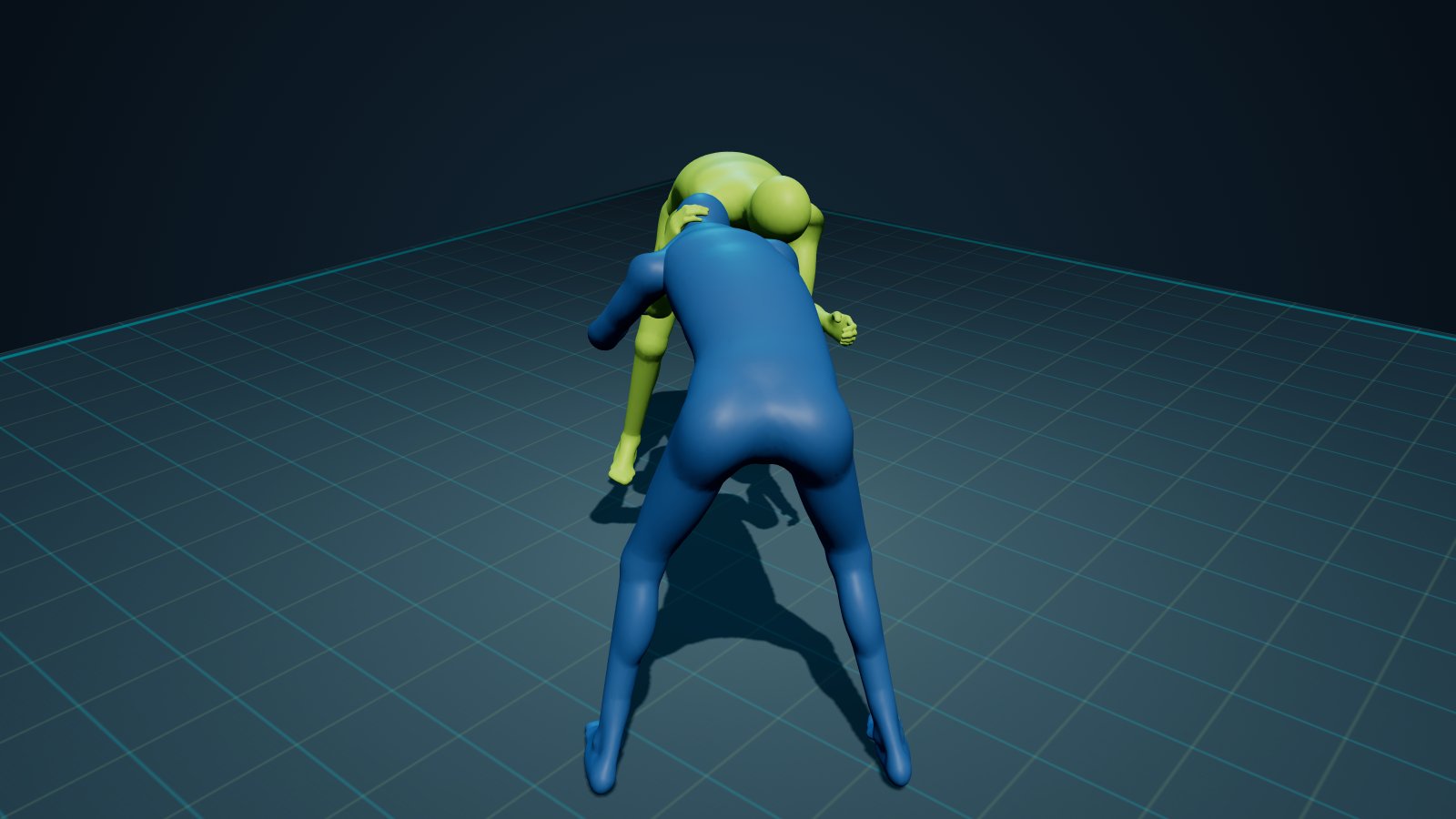
The duck under is a technique used from overhook control in the clinch to pass underneath the opponent's arm and achieve back control. It exploits the overhook grip by changing levels and penetrating under the opponent's arm on the non-overhook side, circling behind them to secure the back.
Quick Reference
Key principles
- · Level change with your hips dropping low is what creates the space to pass underneath the arm.
- · Inside positioning of your head against their ribcage prevents them from re-squaring their hips to face you.
- · The overhook side grip must be used to pull and off-balance the opponent toward you as you duck under the opposite side.
- · Anticipate the opponent pulling away by timing the duck under as they push into you or commit weight forward.
- · Immediate hip-to-hip connection on the back side prevents them from turning to re-face you.
Execution
- 1 From overhook control clinch, use your overhook grip to pull the opponent slightly toward you while posting your other hand on their far bicep or shoulder.
- 2 Drop your level sharply by bending your knees, lowering your head below their far-side armpit as you release the bicep post and swim it under their arm.
- 3 Drive your head and shoulder through the gap under their arm, stepping your lead foot behind their far leg to cut the corner.
- 4 Circle to their back while keeping chest-to-back contact, securing a seatbelt grip (over-under) around their torso.
- 5 Establish hooks or a body lock to consolidate back control top position.
Common mistakes
- × Bending at the waist instead of dropping the hips causes you to stall under the arm and lose driving power, making it easy for the opponent to sprawl or crossface.
- × Ducking under without stepping behind the opponent's leg leaves you beside them rather than behind them, allowing them to simply turn and re-face you.
- × Releasing the overhook grip too early removes the anchor that keeps the opponent close, giving them space to disengage or spin away before you secure the back.
Do it from
Positions and situations where the Duck Under shows up.
Show 1
Where it lands
The position you end up in.
Back Control Top